








Your opportunities on the international wind market
Register for free or log in to contact providers, use additional filters and tools or place your own advertisements.
- 19,316+ registered users
- About 187 Countries
- Since 2011



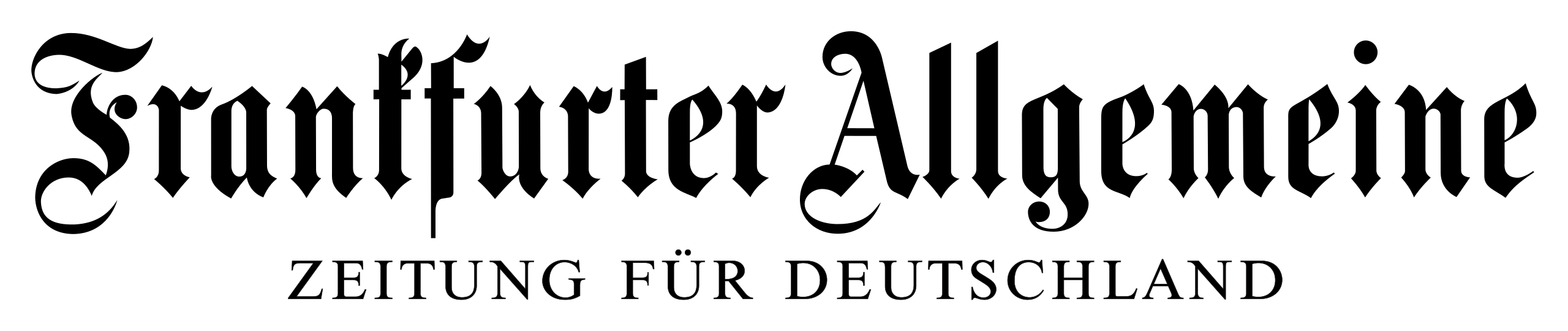



The market for used and current wind turbines is dynamic. Purchase prices depend on technical parameters, location factors, remaining terms, approval situation and regulatory environment. Anyone who wants to sell – whether a single turbine or a complete wind farm – needs a well-founded, market-oriented valuation.
A wind turbine is a complex infrastructure asset. Book values or flat-rate multiples are not sufficient to derive a realistic market price. Among other things, the following are decisive:
A market-oriented valuation creates clarity for sales decisions, investor negotiations, portfolio optimizations or strategic realignments.
The valuation of wind turbines and wind farms is based on:
This database enables an assessment that is not theoretical, but actually market-oriented. It is supplemented by current market assessments and forecasts from the sales environment. This creates a realistic picture of what is currently achievable – not of what would be mathematically possible.
Practical. Transparent. In line with the market.
Whether it's an existing plant, a repowering candidate or a plant without a fixed location, the market value is determined individually.
The following are taken into account:
Demand for certain turbine models plays a decisive role, especially in international trade. A purely national view often falls short here.
In the case of wind farms, additional factors come into play:
This is not just about the value of individual investments, but about the asset as a whole. Institutional buyers evaluate differently than strategic operators. A well-founded valuation takes these perspectives into account.
A reliable valuation creates negotiation security and prevents systematic underpricing or overpricing.
Operators and operators can have the current market value of their wind turbines or wind farms determined free of charge. The evaluation is carried out:
The aim is to provide a realistic orientation that is based on actual purchase prices and current market conditions.
The valuation of wind turbines and wind farms requires more than theoretical models. Reliable transaction data, market knowledge and international demand analyses are crucial.
If you know the value of your asset, it's better to negotiate – and not sell below market price.