Since 1986 we develop solutions for meteorology, remote sensing, mobile Energy supply and environmental monitoring. What started as a small private ...

Remote monitoring of wind turbines - What operators of old turbines should know
Remote monitoring of wind turbines is a central instrument for ensuring profitability and operational safety, especially for operators of existing and post-EEG plants. It creates transparency about the condition, performance and risks of the plants and enables well-founded decisions on continued operation, investments or lifetime extensions. The prerequisites for this are clear organizational processes and a stable technical infrastructure with secure data access. This guide is aimed specifically at operators of existing and post-EEG plants and provides a practical overview of why monitoring is indispensable, which forms of remote monitoring are relevant, what technical requirements exist and what concrete benefits operators can derive from it.
Many older wind turbines will continue to be operated under their own or partial responsibility after the EEG subsidy or full maintenance contracts have expired. Operators must assess technical conditions, risks and profitability themselves. Without remote monitoring, there is no reliable basis for decision-making.
Monitoring helps to detect aging effects at an early stage and limit damage.
Post-EEG plants have to hold their own on the market. Every unplanned downtime and unnecessary maintenance has a direct impact on the bottom line. Remote monitoring supports cost-optimized continued operation.
Basis for decision on continued operation or decommissioning:
Data from monitoring is essential for the question:
In the case of existing systems, remote monitoring includes not only pure real-time monitoring, but above all continuous condition and performance assessment over longer periods of time. The aim is to identify trends, deviations and risks at an early stage.
Especially in older plants, monitoring often replaces missing manufacturer support and becomes the basis for independent operational management.
For old plants, the continuous monitoring of:
... crucial for recognizing and evaluating reduced yields at an early stage.
In existing systems, gradual deterioration in performance often occurs, for example due to:
A systematic target-actual comparison (e.g. on the basis of performance characteristics) helps to make these effects visible.
For continued operation beyond the original design period, the targeted monitoring of key components is particularly relevant:
Condition monitoring systems enable predictive maintenance instead of reactive repairs.
Reports and alarms are piling up, especially with older systems. A structured evaluation helps to distinguish between:
and avoid unnecessary deployments.
For post-EEG plants with direct marketing, the transparent recording of:
economically particularly relevant.
Where the existing sensor technology is not sufficient, additional systems can be installed in a targeted manner, for example for:
Retrofitting is often much cheaper than major repairs or unplanned downtimes.
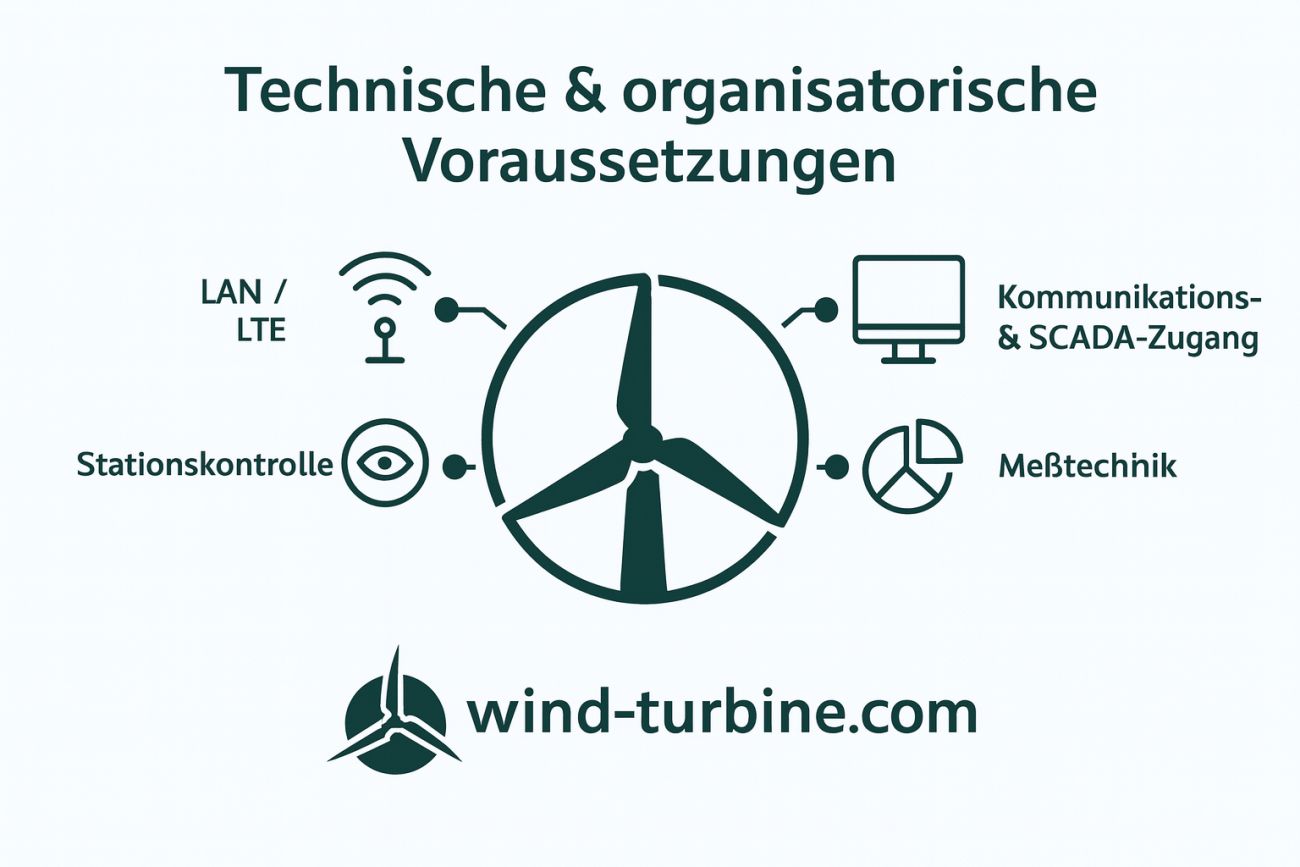
Data transfer and remote access:
Mobile communications or microwave solutions are often used in existing systems. A stable and secure connection is crucial – even in remote locations.
Especially in the case of old plants, trend analysis is more important than individual stocks. Modern evaluation tools make it possible to make changes visible over months or years.
Operators should ensure that they:
This is a critical point, especially for older service contracts. Clear responsibilities! Monitoring is only useful if it is clearly regulated:
Older systems must also be protected against unauthorized access. Remote monitoring should always be combined with proper security measures.
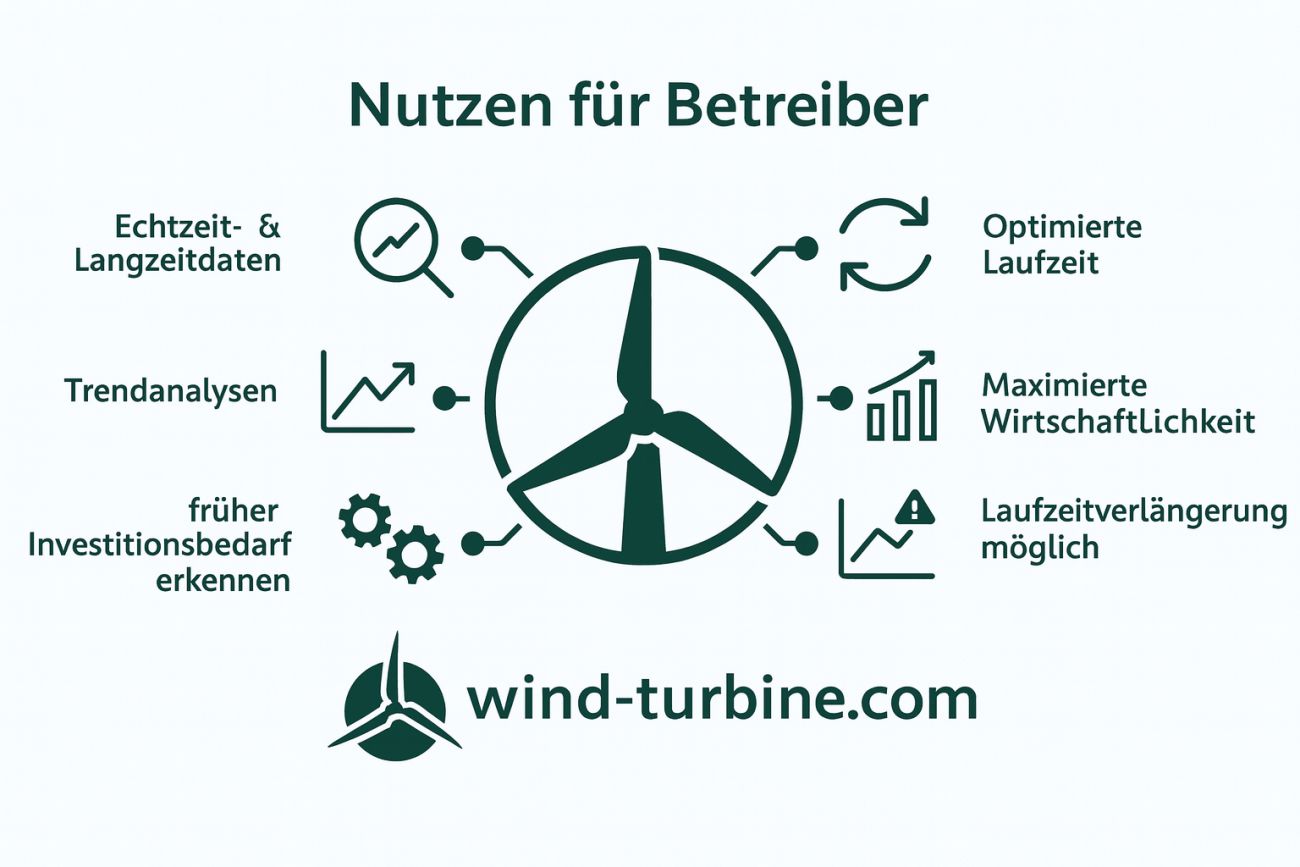
Concrete benefits for operators of existing and post-EEG plants:
Extension of economic life. By detecting problems at an early stage, plants can often be operated economically for longer than originally assumed.
Reduction of unplanned costs
Monitoring data supports operators in:
Transparent data reduces dependencies on manufacturers and service providers and strengthens the operator's role as an informed decision-maker.
For operators of old, existing and post-EEG wind turbines, remote monitoring is much more than a technical tool. It is a strategic tool for ensuring profitability, minimizing risk and extending the service life of the plant.
Especially in an environment of declining revenues and increasing personal responsibility, monitoring forms the basis for well-founded decisions about further operations – today and in the coming years.
Since 1986 we develop solutions for meteorology, remote sensing, mobile Energy supply and environmental monitoring. What started as a small private ...
New three-year contract covers the BNK equipment of around 130 turbines in more than 20 wind farms – including numerous new construction and ...
Wind turbines are under constant mechanical stress. Vertical ladders, crane systems and service lifts provide daily access for maintenance and repair. ...
Light:Guard GmbH has implemented a pilot project for an Aircraft Detection Lighting System (ADLS) at the Sønder Bork wind farm in Denmark. Over a ...