wind-turbine.com
Search
wind-turbineMatch
With us you will find the right provider!
Create an inquiry and we will put you in touch with relevant providers.

NIS2 Regulation: New Cybersecurity Obligations Now Also Affect Wind Farm Operators

17.02.2026

The NIS2 Regulation raises the issue of information security in the wind energy industry to a new level. Operators and operators should now check whether they fall under the new regulations – and take appropriate organisational and technical measures. Close cooperation with safety-certified service providers can make a significant contribution to proving conformity.
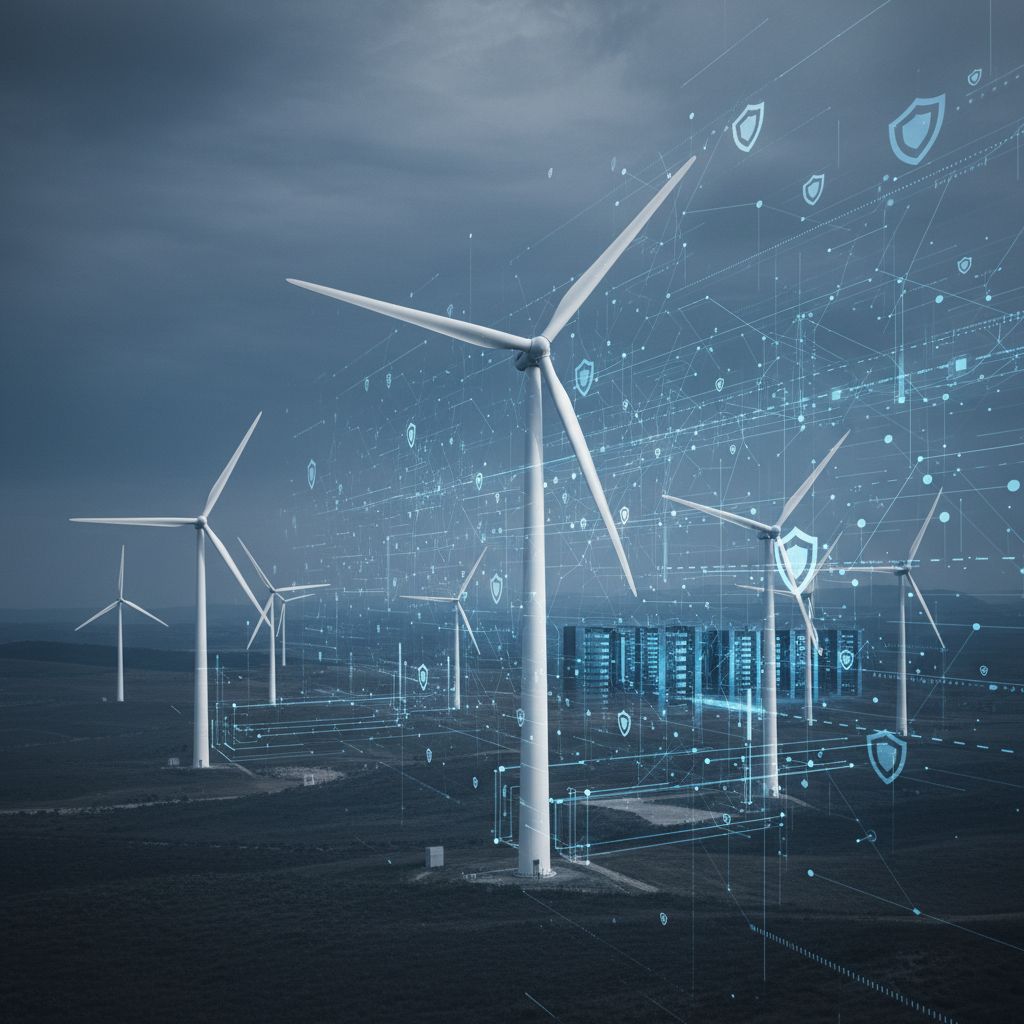
The implementation of the European NIS2 Directive into national law marks a turning point for cybersecurity in the energy industry – especially for companies in the wind industry. The ordinance merges existing regulations, significantly expands them and brings with it new responsibilities that go far beyond previous KRITIS requirements.


What is the NIS2 Regulation?


The NIS2 (Network and Information Security Directive) is an EU-wide directive that strengthens the protection of critical and important facilities against cyberattacks. The aim is to increase the resilience of companies and infrastructures in sectors such as energy, transport, health, water or digital services.
In Germany, NIS2 has now been implemented by a national cybersecurity law.

Who is affected?


Many wind energy companies now fall under the scope of the Directive for the first time. The following are particularly affected:


  • operators of wind farms whose turbines reach a certain size or importance for energy supply,
  • Operators and companies that operate or control central IT infrastructures in the energy sector,
  • as well as companies that were not previously classified as KRITIS participants but are now considered "important institutions" due to their size or systemic relevance.
What do affected companies have to do?


Wind farm operators and operators are obliged to implement extensive measures to increase IT and information security . These include:


  • Establishment of an information security management system (ISMS),
  • Implementation of technical protection measures such as patch and access management, backup strategies and incident response processes,
  • Documentation and regular training of employees,
  • Introduction of emergency and restart plans,
  • Monitoring and evaluating service providers and suppliers for their cybersecurity standards.
A particularly important point: The responsibility lies with the management. Management and board members can be held personally liable for non-compliance – even in corporations.

What does this mean for working with service providers?


Since many processes in the wind industry are supported by external service providers, their safety standards must also be checked and proven.
One example is Light:Guard GmbH, a provider of demand-controlled night marking (BNK). Although the company itself is not subject to the reporting obligation of the NIS2 Regulation, it is certified according to ISO 27001 – currently the only provider in its segment.
With an audited ISMS, clear reporting procedures and regular security checks, Light:Guard already meets the requirements expected of suppliers in the NIS2 environment. In this way, the company actively supports wind farm operators in complying with their new legal obligations.