The digital transformation is giving the onshore and offshore industry an additional boost. At WindEnergy Hamburg from 22 to 25 September 2026, ...

Light:Guard Successfully Tests an Aircraft Detection Lighting System (ADLS) in Denmark
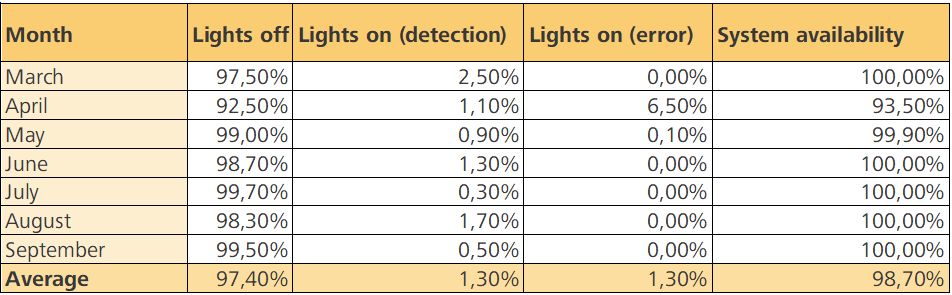
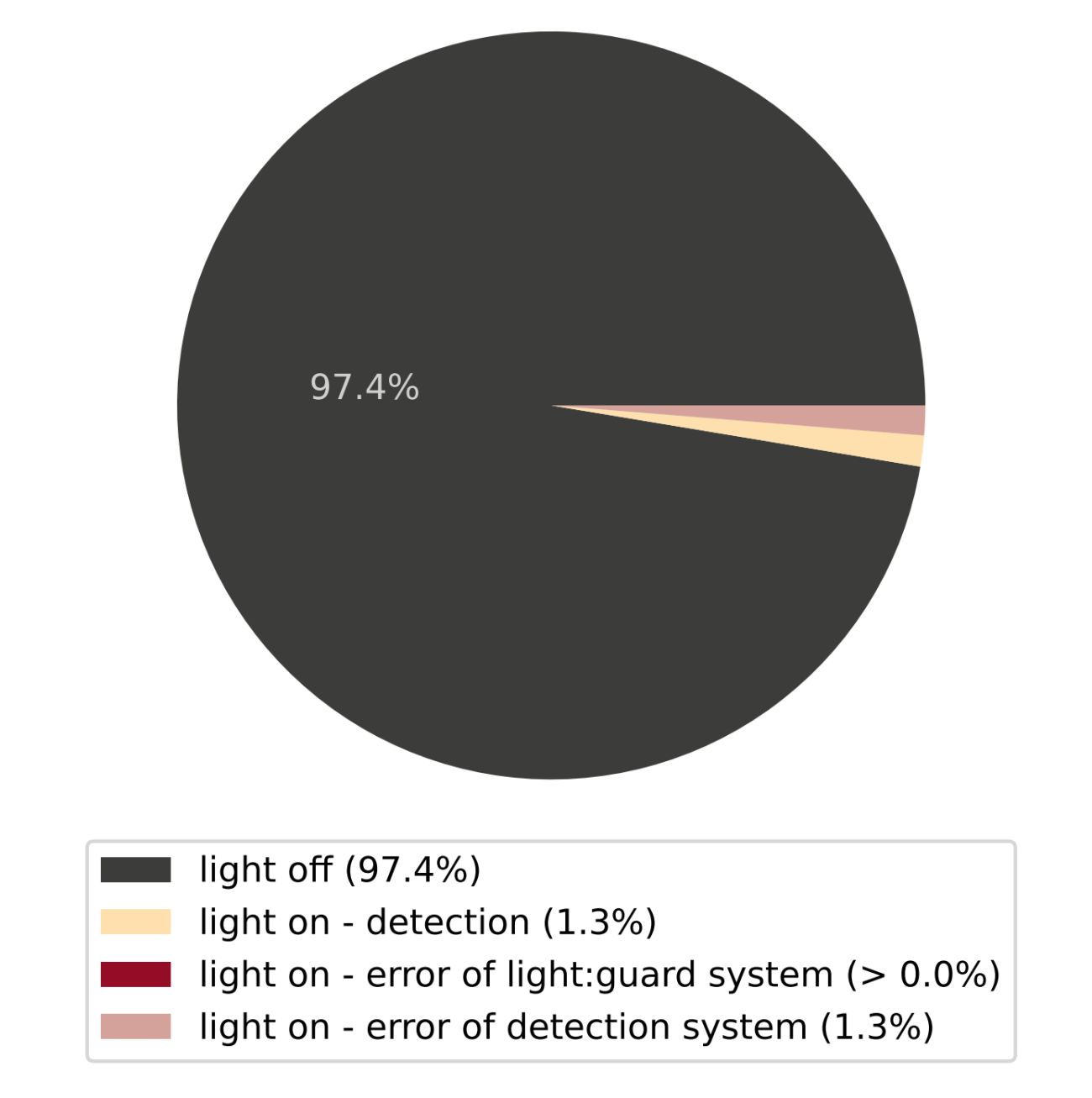
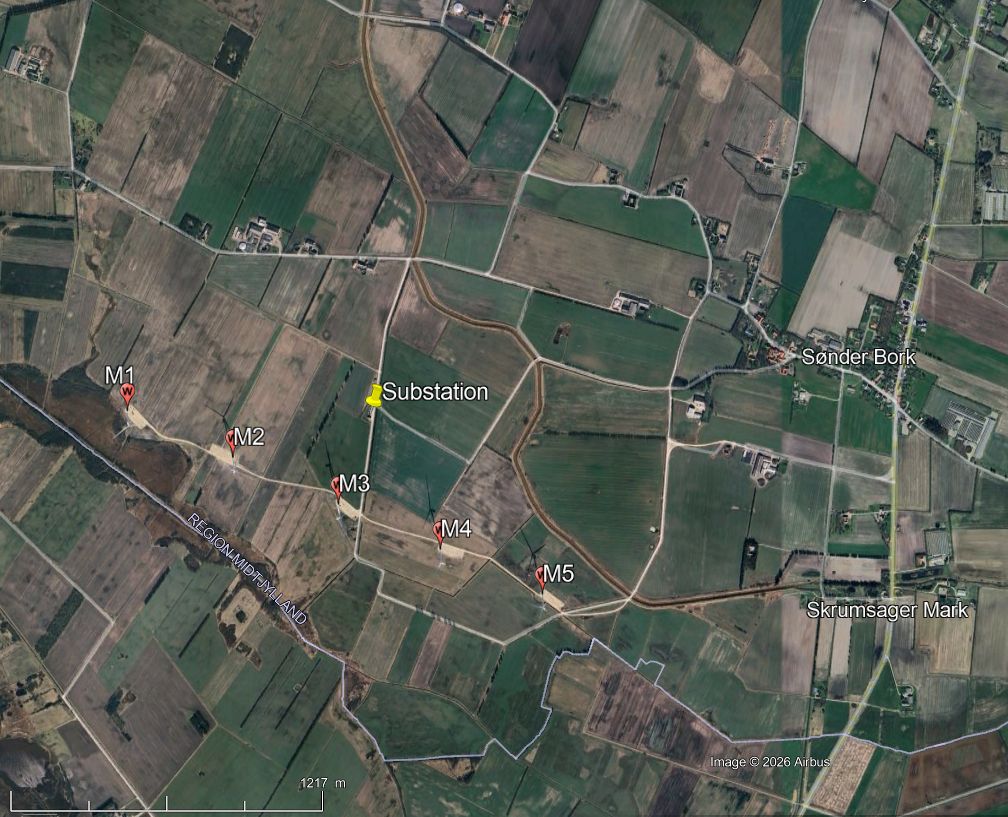
Light:Guard GmbH has implemented a pilot project for an Aircraft Detection Lighting System (ADLS) at the Sønder Bork wind farm in Denmark. Over a period of six months, the light:guard system reliably detected aircraft and documented how often obstruction lighting could have been switched off under the applicable Danish framework. The analysis shows a theoretical lights-off period of 97.4%, with system availability reaching 98.7%.
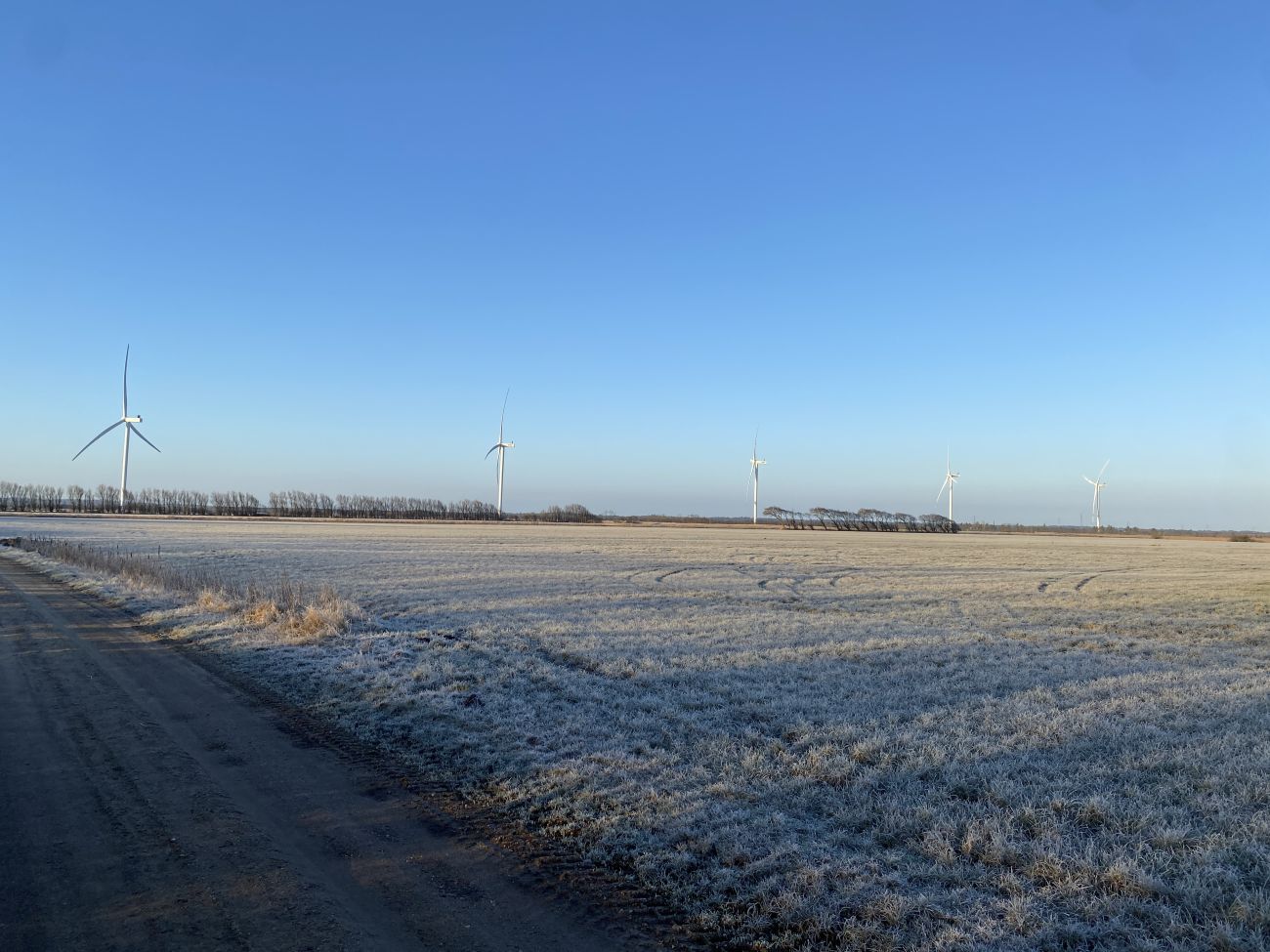
ADLS reduces the flashing of wind turbines to a minimum. To do this, the system monitors the airspace around a wind farm. When an aircraft approaches, the system deactivates the suppression of the obstruction lighting, and the red light flashes as usual.
In Denmark, the legislation permitting Aicraft Detection Lighting Systems on wind turbines is still at the draft stage. The project was therefore operated exclusively in reporting mode. The lighting on the five turbines remained switched on, while the switching-off process was simulated virtually.
For this purpose, Light:Guard installed a Light:Guard Receiver (LGR), which detects transponder signals from aircraft. While receivers are typically installed at heights of 80 to 175 metres above ground level at German wind farms, the receiver at Sønder Bork could only be installed at ground level. The antenna was mounted on the outside of the substation at a height of approximately five metres.
This makes it the lowest known receiver installation for ADLS at a wind farm anywhere in the world. Among other requirements, the Danish regulations call for aircraft to be detected from an altitude of 300 feet, or approximately 91 metres, above ground level. The pilot project therefore also tested whether a receiver installed at such a low height could detect aircraft at the required minimum altitude. This has now been successfully demonstrated.
“This is not the first—and certainly not the last—pilot project that I have supported and even installed personally. What made this installation particularly unusual was the receiver’s proximity to the ground,” explains Heiko Nöldeke, Light:Guard hardware specialist. “That makes me all the happier that the system is running so smoothly and reliably detecting aircraft.”
Normally, a Light Control Unit (LCU) is installed in each wind farm in addition to the receiver to control the wind farm’s obstruction lighting. Since the lighting could not yet legally be suppressed by the ADLS, Light:Guard developed a virtual Light Control Unit for the pilot project.
The virtual LCU processed the recorded data for reporting purposes. This made it possible to determine how often the system was available and how long the flashing could theoretically have been suppressed.
The Light:Guard receiver was installed on March 4, 2026. On March 9, 2026, Light:Guard commissioned the system. Since then, it has been recording transponder signals from aircraft in the vicinity of the wind farm.
For the analysis, data from six months—from March to September 2026—was evaluated. During this period, the light:guard system achieved availability of 98.7%. The average theoretical lights-off period was 97.4%. The proportion of theoretical lights-on periods caused by detections and errors was minimal.
Sales Agent René Aamand has not only followed the legislative process in Denmark for three years, but also supported the Sønder Bork project: “This case study demonstrates that the light:guard system operates reliably even under these special conditions: in a new regulatory environment, with an unusually low receiver installation and according to the detection requirements planned for Denmark. We now hope that the law will be passed soon so that the nights in Denmark can become dark as well.”
The case study therefore provides a robust data point for the planned introduction of Aircraft Detection Lighting Systems in Denmark. This is no longer far away: the Danish authorities are working on the final draft of the legislation, which is scheduled to be passed by the end of the year.
Light:Guard is ready: “As soon as the law permits ADLS in Denmark, we will switch off the lights at the turbines in the Sønder Bork wind farm, together with another wind farm. We hope to be the first in Denmark,” says Felix von Hammerstein, Head of Business Development at Light:Guard.
The complete data is online Available at: https://light-guard.com/en/news/case-study-adls-at-wind-farm-sonder-bork-in-denmark/.
The digital transformation is giving the onshore and offshore industry an additional boost. At WindEnergy Hamburg from 22 to 25 September 2026, ...
Offshore wind energy is a key growth driver for renewable energies. But the challenges have increased recently. At WindEnergy Hamburg from 22 to 25 ...
When developing a wind energy project, many things are decided long before construction actually begins. Suspected explosive ordnance areas, ...
From 22 to 25 September, the wind industry gathers in Hamburg again. Light:Guard will be there too – as part of the joint IHK Cottbus stand, in Hall ...